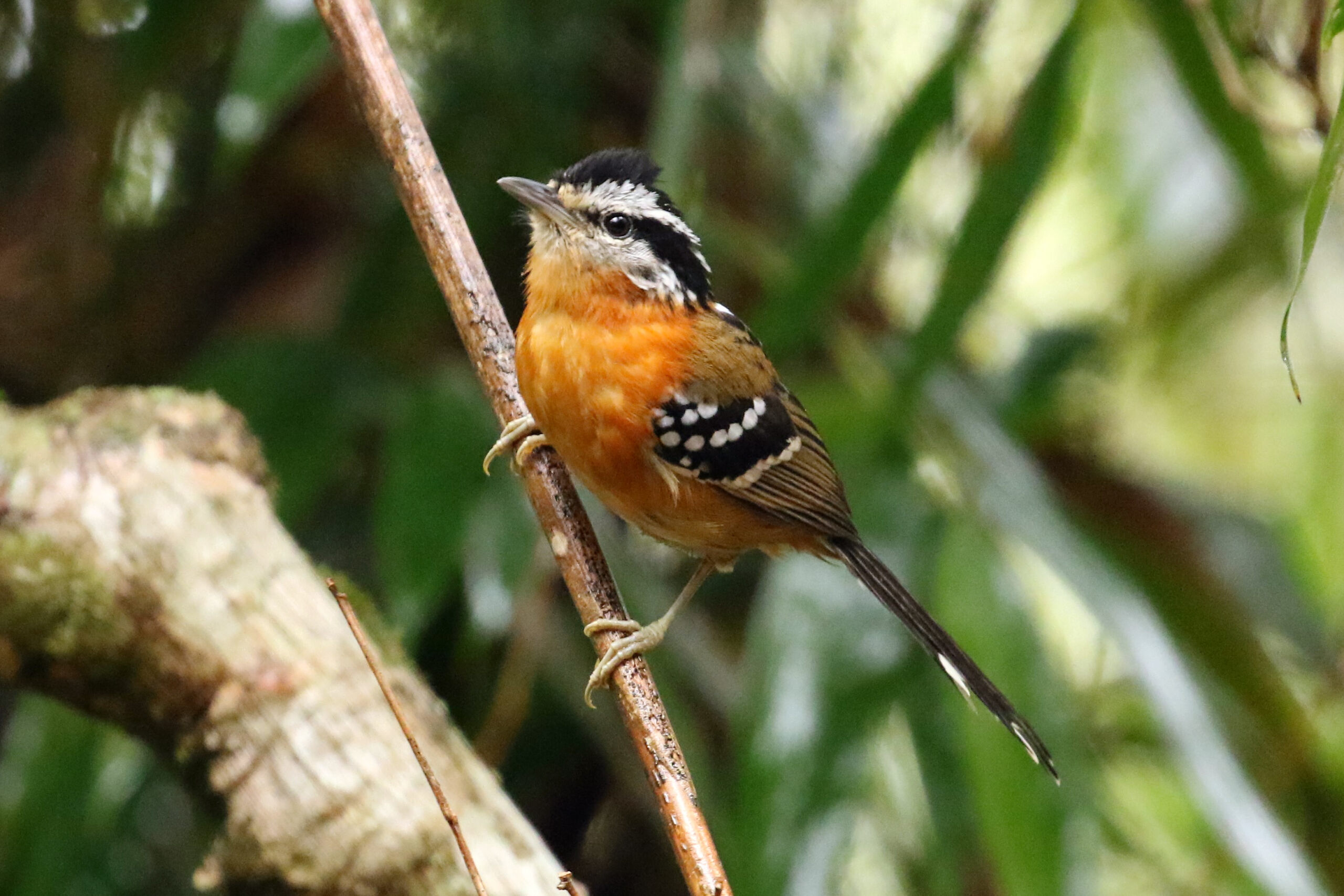
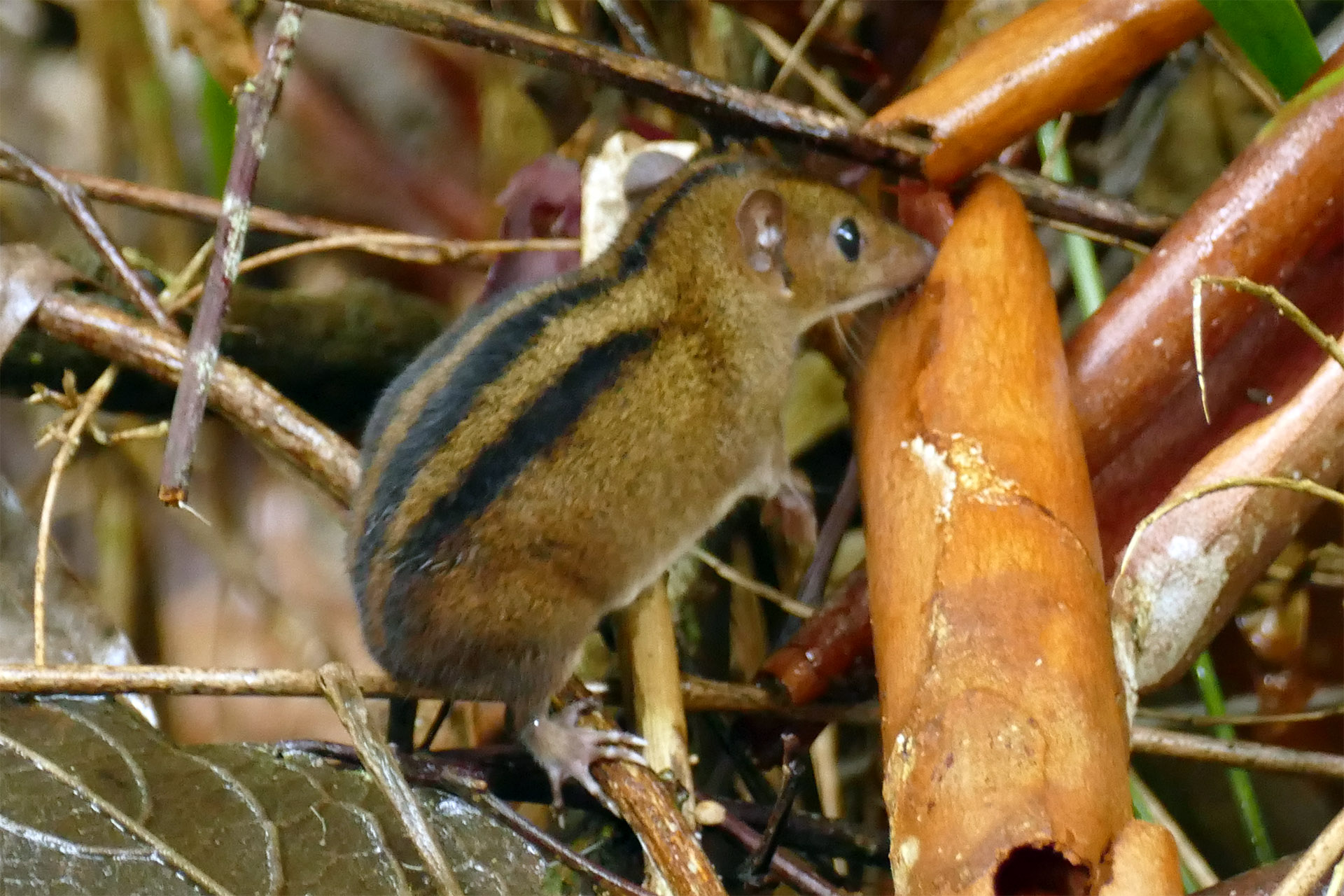
The Iheringi's three-striped opossum (Monodelphis iheringi) is the smallest species in the Monodelphis genus, measuring less than 10 cm in length and weighing approximately twenty-four grams, found only in the southern and southeastern regions of Brazil.
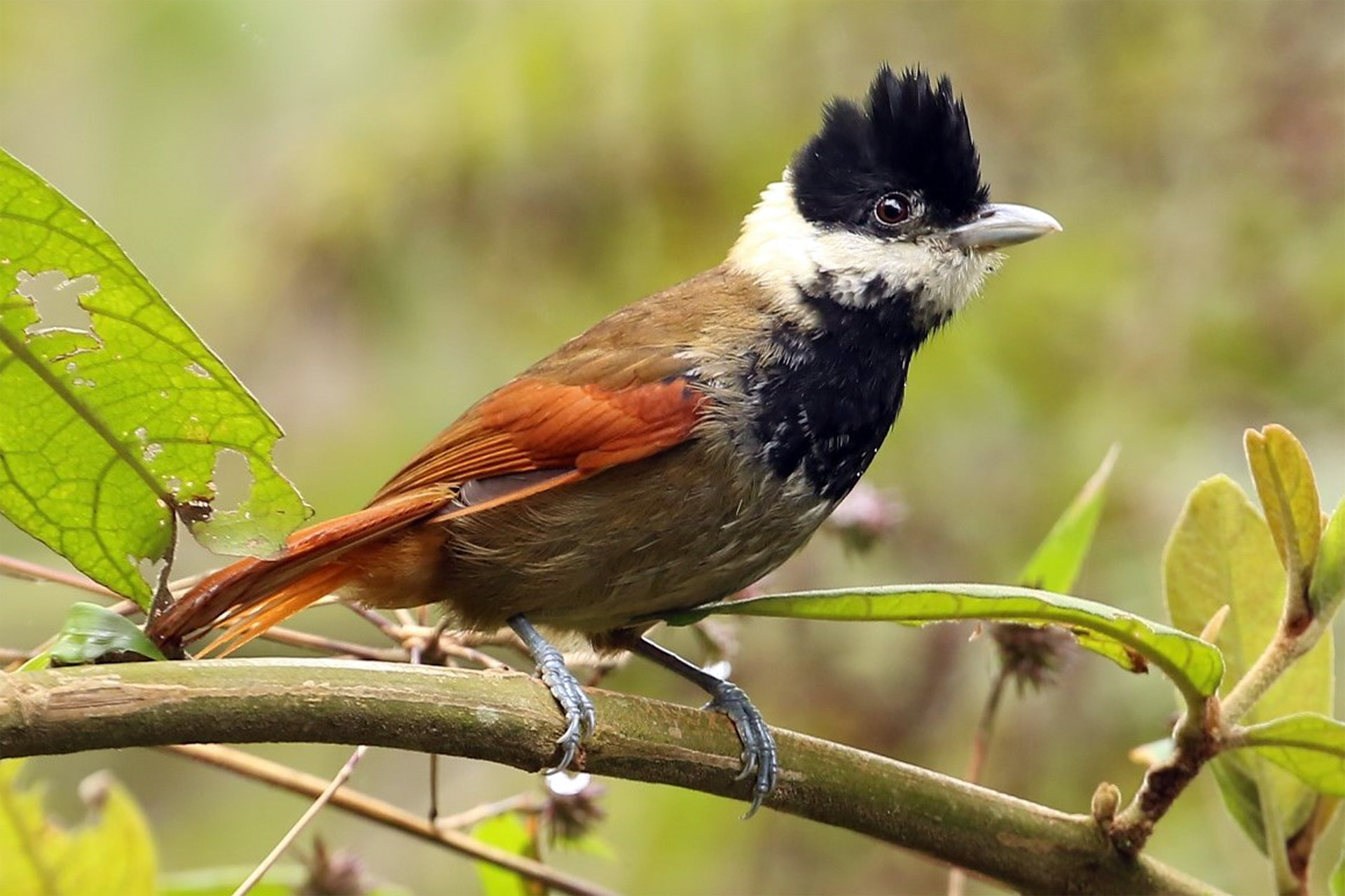
The 17 to 18 cm long white-bearded antshrike (Biatas nigropectus) is a bamboo specialist endemic to Argentina and as well to Brazil, where it is found only in vast stands of Merostachys bamboo in certain ranges.

Listed as "near threatened" by the IUCN, Mantled Hawks are known to regularly hunt over Itororo's forests. Although they may not be easily spotted, their presence is a strong indication of a high-quality forest.

Collared peccaries typically weigh around 20 kg and are primarily active during the day. They live in groups of six to nine animals but can sometimes have up to fifty individuals in a group.
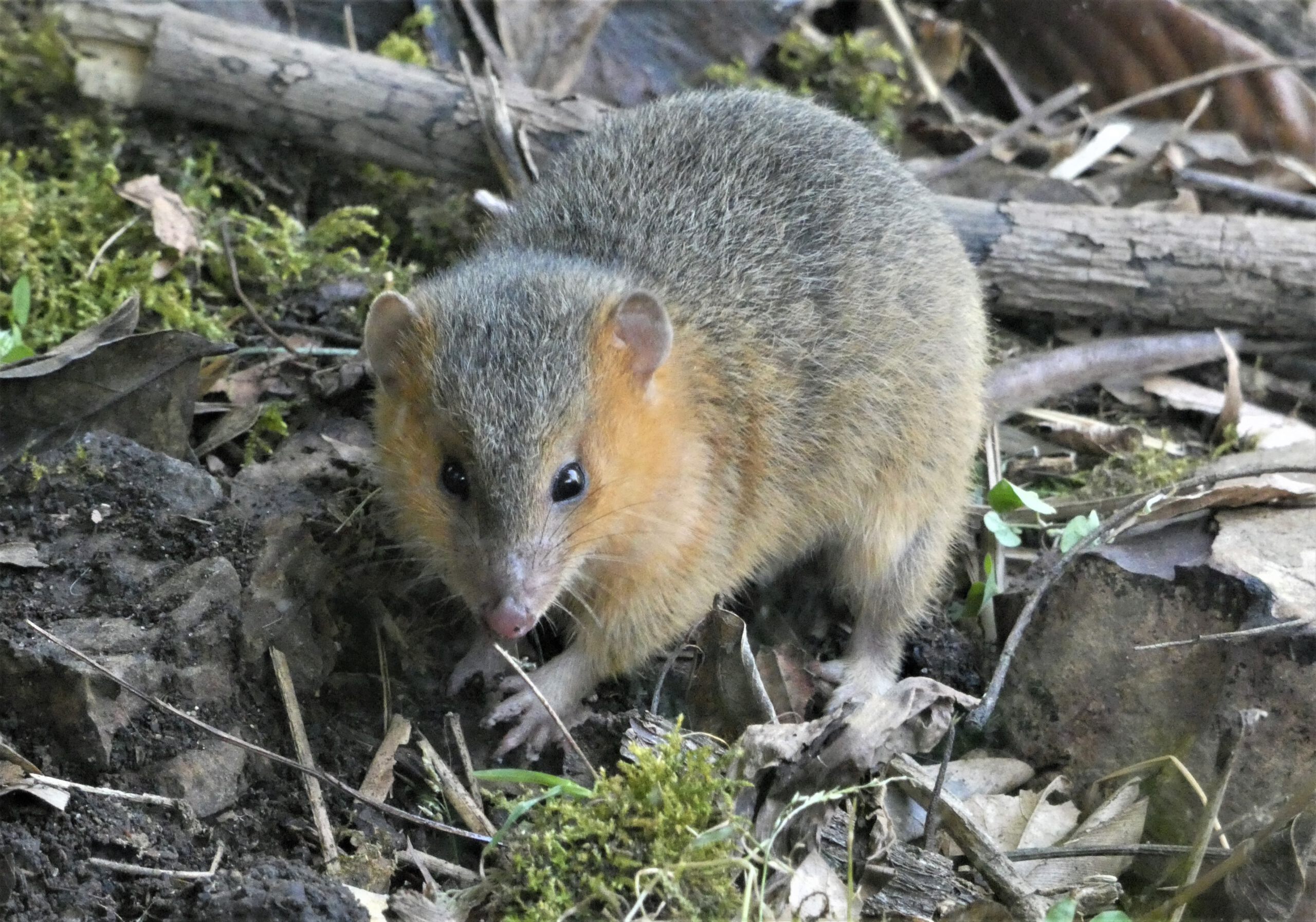
The yellow-sided opossum (Monodelphis dimidiata) is a small marsupial in the Didelphidae family, native to South America. It inhabits low grasslands as well as forests and has terrestrial habits.

Spotting orchids in their natural habitat can be a rewarding experience, whether it is the unique colors or specific patterns that catch your eye. However, it takes time and patience to find these elusive flowers in their natural setting.
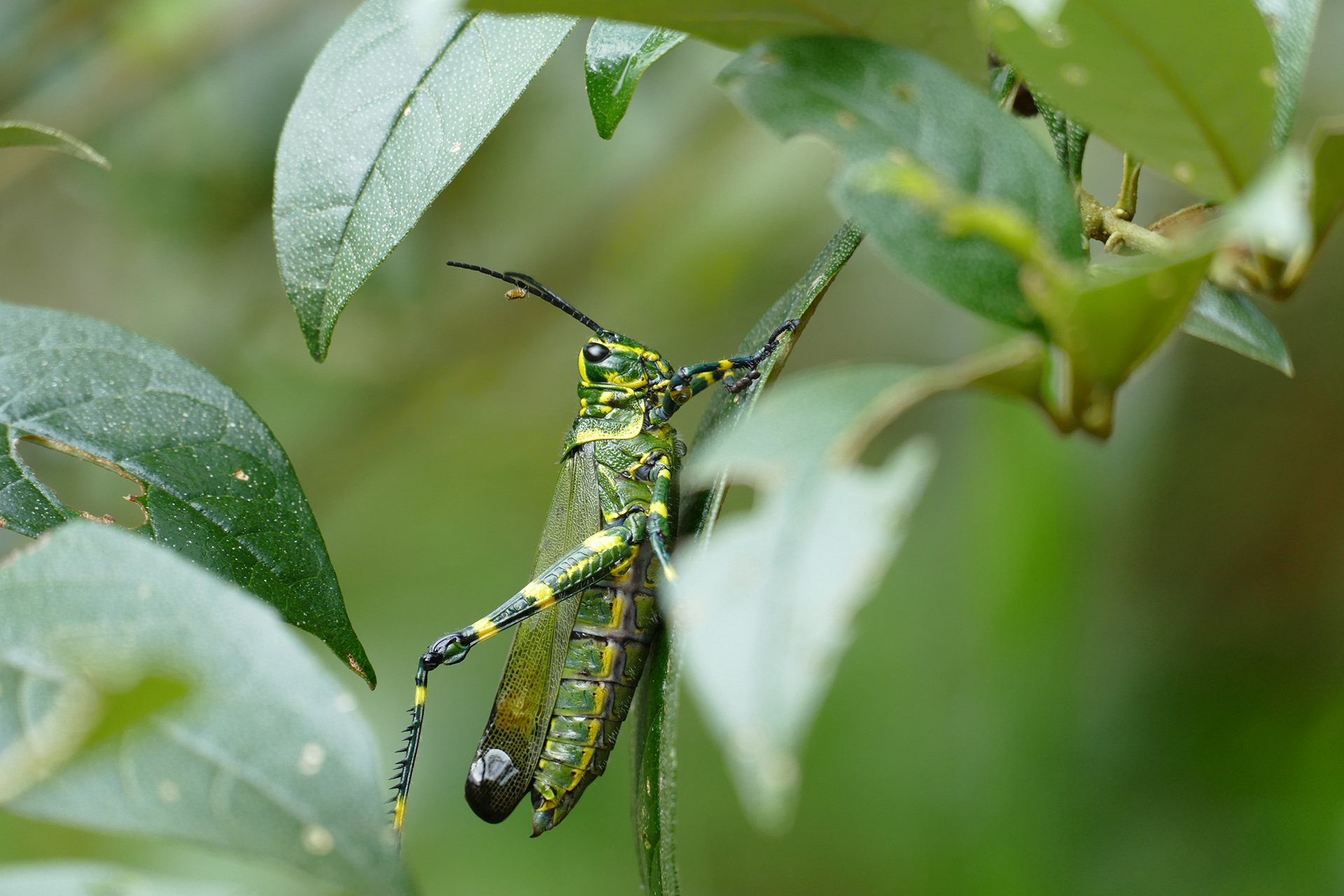
While crickets are omnivorous and crepuscular insects, grasshoppers are herbivorous and diurnal. Their main difference is that crickets tend to have long antennae and make their sounds by rubbing their wings, while grasshoppers have shorter antennae and rub their hindlegs against their wings.
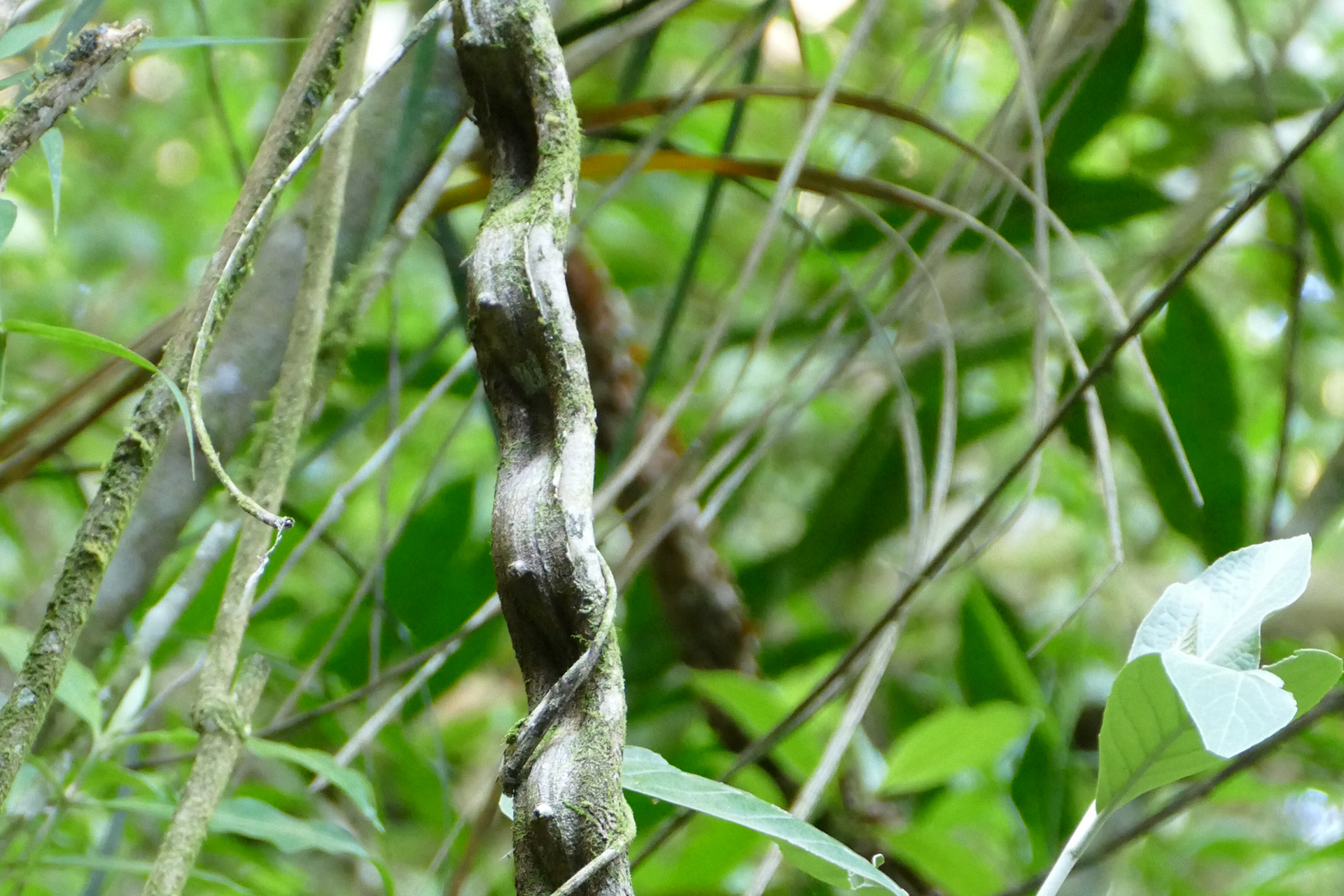
Bauhinia angulosa Vogel is an endemic Brazilian vine that can be found in both primary and secondary forests, particularly in the Atlantic Rainforest. Some specimens of this slow-growing plant are estimated to have a lifespan of up to two hundred years.
Latest NewsItororó Admin2025-04-04T09:19:22+00:00